Here is a locally focused, professional SEO article for Littleport Driveways, written in British English and kept under 1,000 words.
Agricultural Tar & Chip: A Practical Surface for Farm Roads and Access Routes
Farm roads and agricultural access routes need to cope with demanding conditions. Regular movement by tractors, trailers, machinery and other vehicles can quickly wear down surfaces that are not properly prepared for agricultural use. Tar and chip surfacing can provide a practical solution where a stable, durable and defined route is required.
For agricultural properties in Littleport, Cambridgeshire, tar and chip can be considered for farm roads, access routes and other areas that experience regular vehicle movement. The suitability of the surface depends on factors such as ground conditions, drainage, expected traffic and the quality of the underlying construction.
What Is Agricultural Tar & Chip Surfacing?
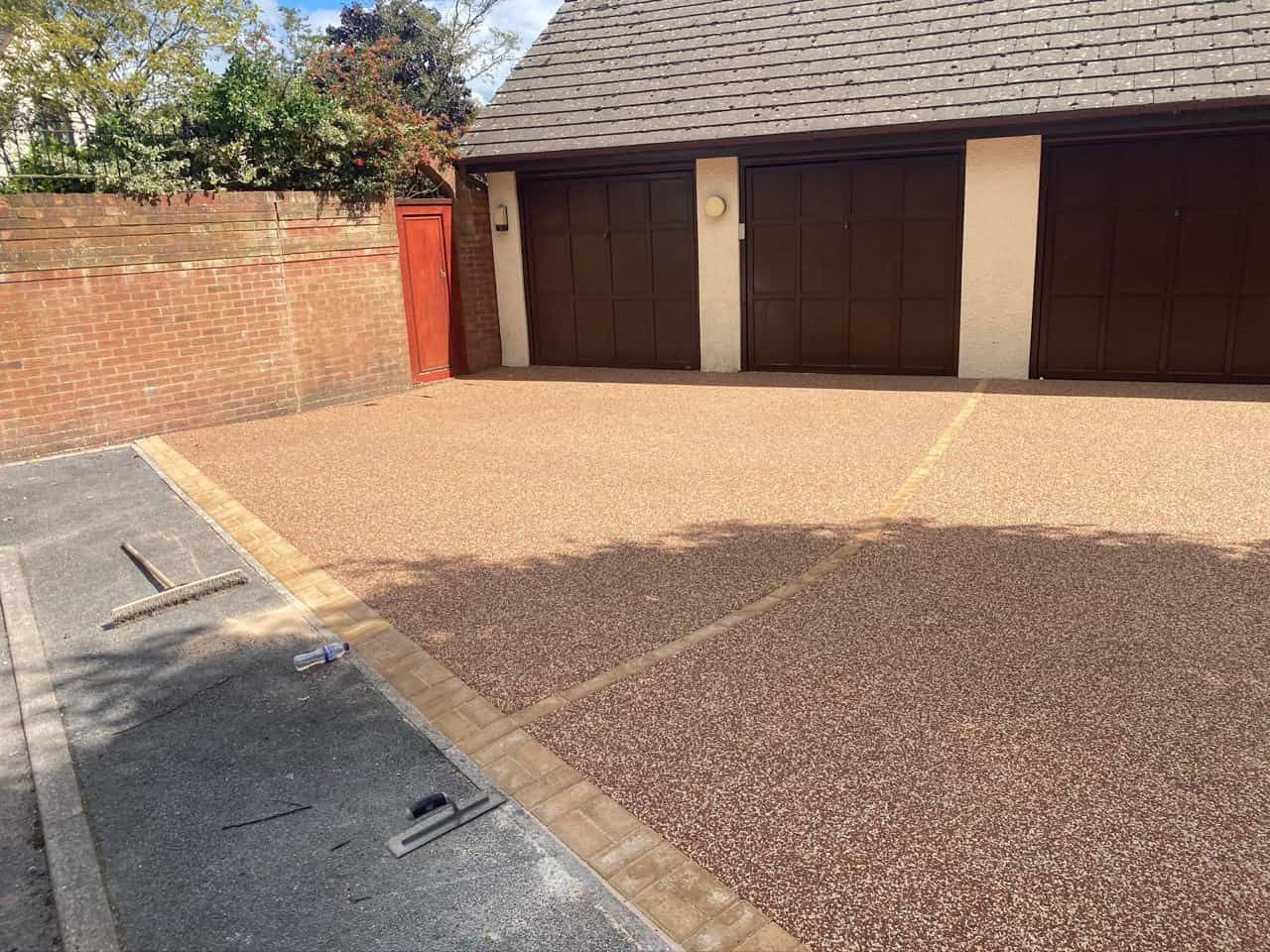
Tar and chip, also known as surface dressing, involves applying a suitable binding material to a prepared surface before covering it with selected stone chippings. Once established, the aggregate creates a textured surface designed to provide a practical route for vehicles.
The finished appearance can blend naturally into rural surroundings, while the textured aggregate can provide useful grip for vehicles using farm access routes.
The construction beneath the surface remains an important part of the installation. Tar and chip should be planned around the expected agricultural traffic rather than treated as a simple surface covering.
Why Tar & Chip Can Suit Farm Roads
Agricultural roads often experience repeated traffic from vehicles that are considerably heavier than ordinary cars. Tractors and trailers can place significant loads on both the surface and the supporting ground.
A properly prepared tar and chip route can provide a defined driving surface that is easier to use than loose or uneven ground. It can also help create clearer access between different parts of a farm or agricultural property.
The suitability of the surface will depend on the site, so professional assessment is important before deciding on the appropriate construction.
Preparing the Ground for Agricultural Traffic
Ground preparation is one of the most important parts of any farm road project. If the underlying ground is weak, uneven or unable to support the expected traffic, surface problems can develop regardless of the visible finish.
The existing area should be assessed and prepared to provide a stable foundation. This may involve improving the sub-base, establishing suitable levels and addressing areas where the ground is unsuitable.
The expected vehicle movements should also be considered. Routes used regularly by heavy machinery may require a different approach from lightly used access tracks.
Drainage and Farm Road Performance
Water management is particularly important on agricultural land. Rainfall can leave areas soft and muddy, while standing water can weaken supporting materials and contribute to surface deterioration.
A farm road should be designed with appropriate falls and drainage so that water can move away from the surface effectively. Drainage channels and outlets should also be kept clear after installation.
Before laying tar and chip, existing drainage conditions should be assessed. Addressing water-related problems during preparation can help protect the finished route from premature deterioration.
Suitable Uses for Tar & Chip on Agricultural Properties
Tar and chip can be considered for several types of agricultural access, including:
- Farm entrance roads
- Access routes between working areas
- Routes to agricultural buildings
- Vehicle access areas
- Private farm roads
- Areas requiring a more stable alternative to loose ground
The most suitable application will depend on how the route is used and the type of vehicles that regularly travel across it.
Maintaining an Agricultural Tar & Chip Surface
Routine maintenance can help preserve the condition of a farm road. Regularly checking for surface wear, drainage problems and areas of aggregate loss can help identify issues at an early stage.
Particular attention should be given to entrances, turning areas and sections that experience repeated heavy vehicle movements. Keeping drainage routes clear is also important to prevent water from accumulating around the road.
If significant surface deterioration develops, professional assessment can help determine whether localised maintenance or more extensive surfacing work is appropriate.
Professional Agricultural Tar & Chip in Littleport
Littleport Driveways provides professional driveway and surfacing services for properties in Littleport, Cambridgeshire. For agricultural projects, the proposed tar and chip surface can be considered alongside the site’s ground conditions, drainage requirements and expected vehicle use.
If you are considering a tar and chip farm road or agricultural access route in Littleport, contact Littleport Driveways to discuss your requirements and arrange an appropriate surfacing solution.
Conclusion
Agricultural tar and chip can provide a practical surface for farm roads and access routes when it is properly planned and installed. Its suitability depends on the condition of the ground, drainage, expected traffic and the construction beneath the finished surface.
For agricultural properties in Littleport, Cambridgeshire, professional preparation can help create a more stable and dependable route for everyday farm vehicle movements. Assessing the site before installation ensures the proposed surface is matched to the demands of the property.
Call us on: 01353 881 093
Click here to find out more about Littleport Driveways
Click here to complete our contact form and see how we can help with your driveway needs.