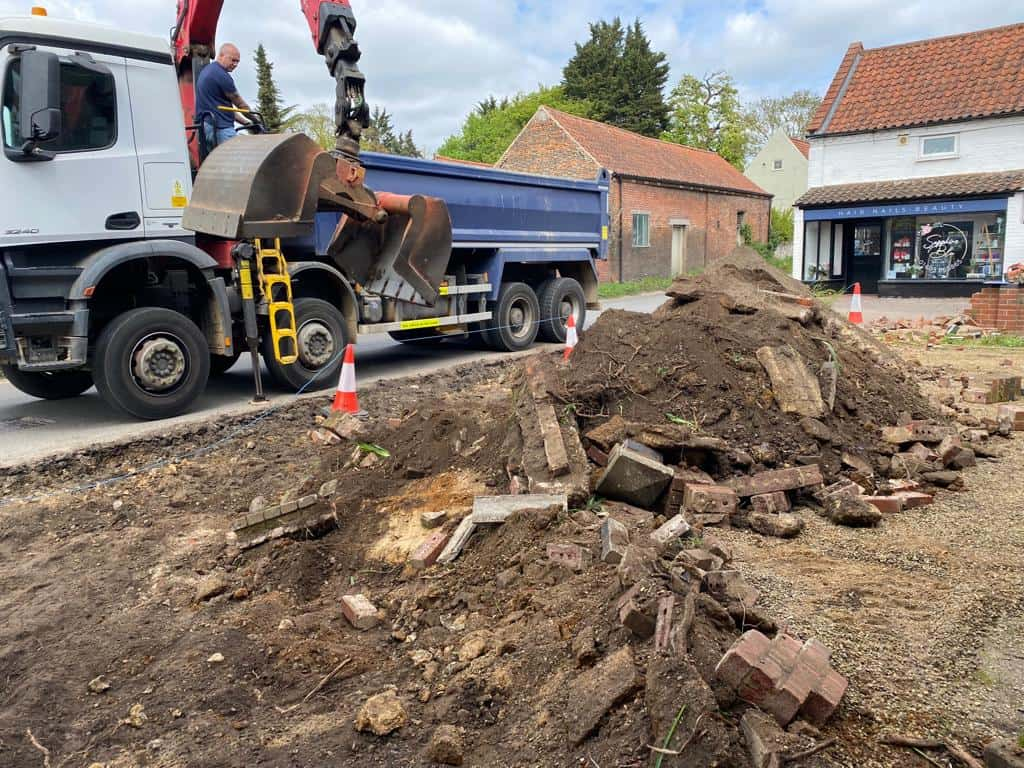
Road Base Preparation: Why a Strong Foundation Matters for Road Construction
A durable road begins beneath the surface. While the finished tarmac, asphalt or other surfacing material provides the visible driving surface, its long-term performance depends heavily on the quality of the foundation underneath. If the road base is poorly prepared, the finished surface may develop cracks, uneven sections, depressions or potholes long before it should.
For property owners and businesses in Littleport, Cambridgeshire, proper road base preparation is essential when constructing new access roads, improving existing surfaces or developing areas that need to withstand regular vehicle movements. Understanding how the foundation is prepared helps explain why professional groundwork is such an important part of a successful surfacing project.
What Is Road Base Preparation?
Road base preparation involves creating a stable, level and properly compacted foundation before the final surfacing material is installed. It typically includes preparing the ground, establishing the required levels, addressing drainage and laying suitable sub-base and base materials.
Each layer has a specific purpose. The ground beneath must provide adequate support, while the granular layers distribute vehicle loads and help reduce movement. The finished surface can then perform more effectively because it rests on a foundation designed for the expected use.
The exact construction method depends on the existing ground conditions, anticipated traffic and type of surfacing. A driveway used by occasional cars may have different requirements from an access road regularly used by delivery vehicles or heavier traffic.
Why a Strong Road Foundation Matters
Preventing Cracks and Surface Movement
One of the main reasons roads develop cracks is movement within the layers beneath the surface. If the foundation is weak, uneven or inadequately compacted, vehicle loads can cause the finished material to flex or settle.
Over time, this movement may produce cracks, dips and other surface defects. Water can then enter through the damaged areas, contributing to further deterioration.
Proper preparation helps create a more uniform foundation that distributes loads effectively. This reduces the likelihood of movement and supports a more durable finished surface.
Supporting Regular Vehicle Traffic
Roads and access areas must be designed around how they will be used. Repeated vehicle movements place pressure on the pavement, and heavier vehicles can increase the demands placed on the foundation.
A suitable road base helps spread these loads across the underlying ground rather than concentrating pressure in isolated areas. The depth and type of base material should therefore reflect the expected traffic and the condition of the site.
Choosing the right construction method from the beginning helps the finished road remain stable under normal use.
Improving Drainage and Reducing Water Damage
Water is a significant cause of road deterioration. If rainwater collects on the surface or enters the foundation, it can weaken susceptible ground and contribute to settlement, cracking and pothole formation.
Effective road base preparation considers the levels and falls needed to direct water away from the surface. The design may also need to account for drainage channels or other measures suited to the site.
In Littleport, where ground and drainage conditions can vary between properties, assessing the site before construction helps determine how the foundation should be prepared. A strong base will be less effective if water is allowed to collect persistently around or beneath the road.
Reducing Uneven Settlement
If the ground is not prepared consistently, some sections may settle more than others. This can create uneven surfaces, depressions and changes in level that affect both the appearance and usability of the road.
Ground preparation may involve removing unsuitable material, addressing soft areas and establishing consistent levels before placing the sub-base. Each layer must then be compacted appropriately to create a stable platform for the next stage.
Identifying weak ground before surfacing begins is particularly important because problems beneath the finished road can be difficult to correct without disturbing the surface.
The Main Stages of Road Base Preparation
Ground Assessment and Excavation
The first step is to assess the existing ground and determine whether it can provide adequate support. Unsuitable or unstable material may need to be removed, and the area excavated to the required depth.
The excavation must allow sufficient space for the foundation layers and finished surface while achieving the correct levels for drainage and access.
Sub-Base Installation and Compaction
Suitable granular material is placed to form the sub-base. It must be distributed evenly and compacted properly so that it provides consistent support.
Depending on the project, the material may be installed in layers to achieve the required density and stability. Poor compaction can leave weak spots that later contribute to settlement or surface failure.
Base Layer and Surface Preparation
Where the design requires a separate base layer, this is installed and prepared to provide the appropriate support for the chosen surfacing material. The finished foundation should be stable, suitably level and ready for the next stage of construction.
Checking levels and drainage before the surface is laid helps reduce the risk of defects developing because of avoidable preparation issues.
Signs That an Existing Road Base May Be Failing
An existing road may show several signs that its foundation needs attention. These include recurring potholes, cracks that repeatedly return after repairs, noticeable depressions, uneven sections and areas where water frequently collects.
Although these symptoms can indicate foundation problems, they may also result from surface wear, drainage defects or other issues. An assessment is needed to establish the underlying cause before deciding whether local repairs, resurfacing or more extensive reconstruction is appropriate.
Simply covering a damaged surface may not provide a lasting solution if the supporting layers remain unstable.
Professional Road and Driveway Preparation in Littleport
Successful surfacing depends on getting the groundwork right. Littleport Driveways can help assess road and driveway requirements in Littleport, Cambridgeshire, and identify the preparation needed to support a durable finished surface.
Whether you are planning a new access area or dealing with recurring problems on an existing surface, considering the foundation, drainage and expected traffic helps ensure that the work is suited to the site.
If you are planning a surfacing project or have noticed signs of settlement and deterioration, contact Littleport Driveways to discuss your requirements and arrange an assessment.
Conclusion
Road base preparation is one of the most important stages of road construction because it determines how effectively the finished surface withstands vehicle loads, ground movement and water exposure. Suitable materials, thorough compaction and effective drainage all contribute to a stable foundation.
For property owners and businesses in Littleport, Cambridgeshire, investing attention in the groundwork helps reduce the risk of recurring surface defects and supports better long-term performance. Littleport Driveways can help you identify the appropriate preparation for your road or driveway project, providing a sound starting point for a durable result.
Call us on: 01353 881 093
Click here to find out more about Littleport Driveways
Click here to complete our contact form and see how we can help with your driveway needs.